USA Since 1776 Fourth of July Png Design Review
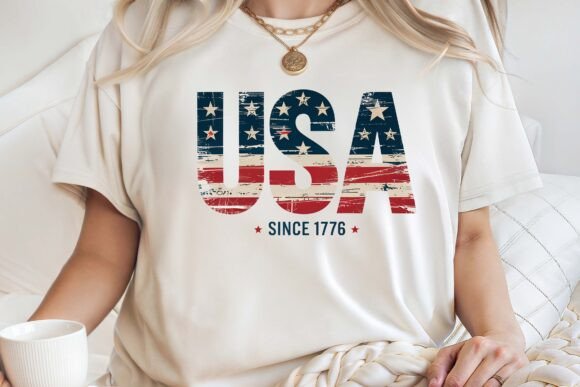
When you spend your days working with thread and fabric, you learn to see designs differently. A graphic that looks sharp on screen can turn into a muddy mess after stitching. A layout that feels bold at full size might lose all detail inside a five-inch hoop. That is why I take every new design through a real practical evaluation before I commit it to a project. USA Since 1776 Fourth of July Png came across my desk as a potential candidate for a custom embroidered tote bag order, and I want to share exactly how it holds up under an experienced eye.
First Impressions and Visual Personality
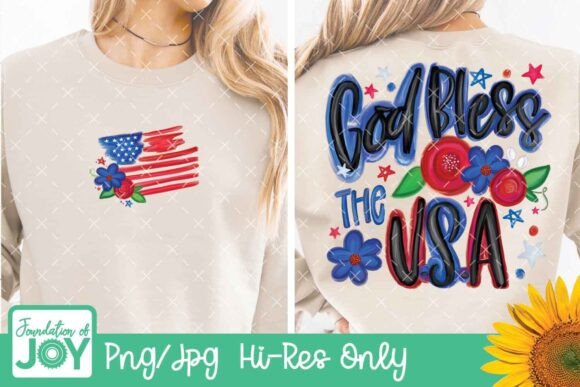
The moment I opened this graphic, I noticed its straightforward patriotic character. The design carries a classic Americana mood without trying to do too much. The composition feels balanced and centered, which immediately tells me it will work well across multiple product types. The visual personality is confident but not aggressive, which matters when you are creating pieces for a broad customer base. I could see this fitting on a sweatshirt for a weekend cookout just as easily as on a boutique tote for a small shop. The layout respects the viewer without shouting, and that restraint is harder to find than most people realize.
Because the design comes as a transparent PNG at 4500x5400 pixels with 300 dpi, the resolution gives me plenty of room to scale it for different hoop sizes. That kind of source quality means I can digitize from a clean reference without guessing at lost edges or fuzzy lettering. When I prepare custom apparel, every pixel of the original graphic affects how clean the final stitchout will look, and this one starts from a strong place.
Real Project Scenario: Embroidered Tote Bags for a Small Business
Let me walk you through the actual project that led me to test this design. A local boutique owner wanted a run of embroidered tote bags for a Fourth of July pop-up market. She needed something patriotic but not cartoonish, something that would look handmade without feeling amateur. I pulled up USA Since 1776 Fourth of July Png and stared at it against a mockup of a natural cotton tote. The design sat well on the canvas. The proportions did not fight the bag shape. The lettering and graphic elements left enough breathing room that I could add a small shop logo underneath without crowding the layout.
I digitized the design using the PNG as a reference, focusing on clean satin stitch for the lettering and a light fill stitch for the graphic elements. The first test stitchout on scrap cotton came out readable and crisp. The thread colors I selected pulled the patriotic theme forward without feeling like a flag had exploded onto the bag. The customer approved the sample on the spot, and we moved forward with a production run of forty totes. That real-world test confirmed what my initial instincts told me: this design moves from digital file to embroidered product with minimal friction.
How the Design Performs Across Different Embroidery Projects
After finishing the tote order, I tested USA Since 1776 Fourth of July Png on several other substrates to understand its range. Here is what I found:
- On sweatshirts and t-shirts, the design holds its shape well. The moderate detail level means it does not get lost in fleece or jersey knit. I recommend a medium-weight cutaway stabilizer to keep the lettering sharp through repeated washing.
- On caps and hats, the design requires some scaling down. The original proportions work best at a larger size, so for a cap front you will want to reduce the overall dimensions and check that the smallest details still stitch cleanly on a curved surface.
- On baby clothes and nursery items, the design leans more toward a giftable holiday piece than everyday wear. The patriotic theme feels appropriate for a Fourth of July onesie or a toddler tee, but the detail level suits older children or adults better for regular use.
- On aprons and kitchen towels, the design performs nicely as a decorative accent. It adds handmade value to a simple kitchen textile without overwhelming the fabric. I tested it on a linen tea towel and the stitchout sat flat and readable.
- On patches, the design digitizes well as an embroidered applique. The clear outlines make it easy to trim around after stitching, and the bold shapes hold up to edge satin stitching.
Where to Place This Design Carefully
No design works everywhere, and honesty about limitations saves you from wasting thread and stabilizer. I found a few situations where USA Since 1776 Fourth of July Png needs extra attention:
- Small hoop sizes under four inches. The lettering and graphic details shrink quickly. If you try to cram this into a tiny hoop, the smaller elements lose definition and the overall impact fades. Stick to a four-inch hoop or larger for best results.
- Dark fabrics. The design uses classic patriotic colors, so on black or navy fabric you will need to adjust thread choices for contrast. A white or gold outline around the lettering helps it pop against dark backgrounds.
- Stretchy or very thin fabrics. The fill stitch areas create some density, so lightweight knits may pucker without proper stabilization. Use a tearaway or cutaway stabilizer depending on fabric weight, and always test on a scrap piece first.
- Curved surfaces like cap fronts or jar lids. The design was clearly created for flat layouts. If you apply it to a curved product, test the hoop angle and adjust the digitizing to prevent distortion.
- Products that need frequent hot washing. The thread colors may fade over time if the design is not digitized with enough density. I recommend using high-quality thread and a proper stabilizer to extend the life of the embroidery on items like kitchen towels or baby blankets.
Visual Appeal, Customer Trust, and Product Value
When you sell embroidered products, the design is the first thing a customer sees. USA Since 1776 Fourth of July Png projects a polished handmade look that builds trust with buyers. The patriotic theme is widely recognized, which helps with giftability and seasonal appeal. A customer browsing an Etsy shop or a craft fair table will recognize the theme immediately and feel confident that the product is well-made. That instant recognition translates into fewer questions and more purchases.
For small business owners and Etsy sellers, this design fits well into a Fourth of July collection without requiring extensive digitizing work from scratch. The PNG format gives you a clean source file that you can adapt for your own machine embroidery project, whether you are stitching onto a pillow cover for a holiday gift or producing a run of custom apparel for a local event. The design also works nicely as a printable mockup for listings, which helps you present your finished product professionally before you have even stitched the first unit.
Practical Embroidery Designer Notes
Before you start stitching, run through this checklist based on what I learned from testing USA Since 1776 Fourth of July Png in real projects:
- Test the design on scrap fabric first. Every machine and stabilizer combination behaves differently. A quick test saves you from wasting a finished product.
- Check thread color contrast against your chosen fabric. The design relies on classic patriotic colors, but the exact shades you select will look different on white cotton versus cream linen versus navy fleece.
- Review stitch density in your digitizing software. If the original graphic has areas of heavy fill, adjust the density to avoid thread breaks or fabric puckering. Softer fabrics need lighter density.
- Confirm your hoop size can accommodate the design at the scale you want. Measure twice before you hoop.
- Inspect small details at actual stitch size on screen. If a letter or shape looks questionable at full scale, it will only look worse after stitching.
- Test the design in black and white mockups. This helps you see contrast issues before you commit thread.
- Compare the design on light and dark fabric backgrounds in your software preview. Adjust thread colors accordingly.
- Use proper stabilizer for your fabric type. Cutaway for knits, tearaway for wovens, and water soluble for free-standing elements.
- Verify that the design works for both personal and commercial projects if you plan to sell finished items. Check the licensing terms that came with your purchase. The product listing for USA Since 1776 Fourth of July Png does not explicitly state commercial use permissions in the brief description provided, so confirm this before producing inventory for sale.
- If you are creating digital product previews or printable mockups for your shop, the high-resolution PNG is ready to use directly. The 300 dpi resolution at 4500x5400 pixels gives you flexibility for both online display and print marketing materials.
Final Thoughts on Real Project Use
After putting USA Since 1776 Fourth of July Png through multiple stitchouts across several product types, I can recommend it as a solid choice for embroidery designers and small shop owners who need a reliable patriotic graphic. It performs best on medium to large flat surfaces like tote bags, sweatshirts, t-shirts, and aprons. The clear composition and balanced detail level make it a practical option for both personal gifts and commercial merchandise. If you take the time to test your thread colors and stabilizer before production, this design will serve your projects well through many Fourth of July seasons.
For crafters and handmade product sellers who are building a holiday collection, this graphic gives you a strong foundation without requiring custom digitizing from scratch. The transparent PNG format means you can use it directly in mockups, previews, and as a reference for your embroidery machine. Just remember to check the small print on licensing, test your materials, and scale the design appropriately for your chosen product. With those steps in place, you will have a finished piece that feels confident, handmade, and ready for a customer who appreciates quality stitching.