Kitchen Utensils Vector Set: Graphics & Crafts
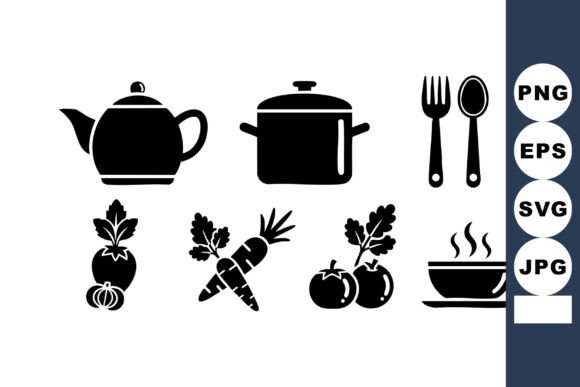
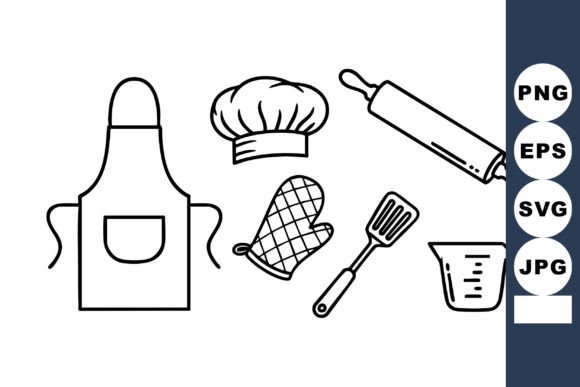
When I first opened the Kitchen Utensils Vector Set, I was looking for a graphic design asset that could serve multiple product lines without forcing a specific theme. This vector illustration shows essential kitchen tools including an apron, chef hat, oven mitt, spatula, rolling pin, and measuring cup, all rendered in a simple black line art style that feels calm and uncluttered. The downloadable ZIP includes SVG files, which is exactly what I need for scalable commercial design work. As someone who sells digital products and physical merchandise across several marketplaces, I immediately started thinking about how this set could fit into my existing shop strategy and where it might need extra testing before going live.
First Impression and Visual Personality of This Vector Set
The mood of this collection is minimal and approachable. It does not try to be overly cute or aggressively modern. Instead, it sits in a neutral space that works for a wide range of buyers. The black line art style is clean without feeling cold, and the simplicity gives it a handmade, almost sketch-like quality that can appeal to buyers looking for sincere, unpretentious kitchen graphics. For a small business branding or a handmade business aesthetic, this kind of restrained illustration can feel more authentic than heavily polished clipart. It also avoids the trap of feeling too trendy, which means the asset has a longer shelf life in a creative marketplace. I can see this working well for a digital download shop that caters to home cooks, bakery owners, or meal prep bloggers who want visuals that feel personal but not fussy.
Real Product Scenarios: Testing Before Publishing
I am currently preparing a new collection of kitchen-themed digital downloads for my Etsy product lineup, and the Kitchen Utensils Vector Set is one of the assets I am evaluating. My first step is always to test the design on real mockups before I write a single listing description. I load the SVG into a blank canvas and start placing it on product templates. For a t-shirt design, the single line art style works well as a centered chest graphic or a small left-chest accent. The spatula and rolling pin shapes are distinct enough to read at a distance, which is important for apparel. For a mug design, the illustrations wrap nicely around a curved surface without losing clarity. I also test the set as a sublimation design for kitchen towels and oven mitts. The black line art holds up well on fabric, and the calm style prevents the design from feeling overwhelming when repeated across a set of coordinating products.
Testing for Cricut Projects and SVG Cut Files
For Cricut users and Silhouette crafters, the SVG format is essential. I open the files in my design software and check the cut paths. The line art style means each utensil is a single continuous shape or a set of simple closed paths, which typically cuts cleanly. I test a small version of the chef hat and apron on cardstock, then scale up to vinyl for a tote bag print. The rolling pin and measuring cup are especially useful for layered projects because their outlines are straightforward. I also check whether the design works as a stencil for paint or etching. So far, the cut quality is consistent, and the file organization inside the ZIP is clear enough that I can hand it off to a customer without confusion.
Where This Design Asset Shines in a Product Line
The Kitchen Utensils Vector Set performs best in contexts where clean lines and open space are part of the visual hierarchy. It works well as a standalone illustration on a greeting card, especially when paired with a handwritten font or a simple sans serif. Printable wall art is another strong category. A single utensil like the oven mitt or the chef hat, centered on a white background with a thin border, creates a piece that feels modern and intentional. For planner stickers, the illustrations are small enough to fit into weekly layouts without dominating the page. I also see potential for Canva templates aimed at recipe cards, meal planners, or kitchen inventory lists. The vector format allows me to recolor the strokes or adjust the weight, which gives me flexibility when building a brand identity around a cohesive visual language.
Product Presentation and Mockup Appeal
One of the underrated advantages of this asset is how it translates into product mockups. Because the line art is simple and the shapes are recognizable, thumbnail images remain clear even at small sizes. On a marketplace like Creative Fabrica or Etsy, where buyers scroll quickly, a preview that shows a clean apron or a recognizable spatula can stop the scroll. I create listing images that pair the illustration with a soft background and a serif font for the title. The contrast is strong enough to work on both light and medium-toned backgrounds. I also test a dark background version with white strokes. The design holds up well, though the thin lines need to be slightly thickened for dark backgrounds to maintain visibility. This is a simple adjustment in my vector software, and it expands the range of products I can list.
Where to Use This Set with Caution
No design asset is perfect for every product, and the Kitchen Utensils Vector Set has a few limitations that I check before committing to a full launch. The line art is relatively thin, so for tiny sticker details or very small product labels, some of the finer elements may become hard to read. The measuring cup, for example, has a small handle and spout that could lose definition if scaled below one inch. I also test the design on crowded layouts. If I pair all six utensils together on a single product, the visual weight can feel busy unless I leave generous spacing. For a tumbler wrap or a notebook cover, I prefer to use one or two utensils rather than the full set. The black line art style is also less effective on low-resolution print products where the lines may appear jagged. I always verify the print resolution before listing anything that relies on fine detail.
Checking Contrast, Backgrounds, and Cutlines
Another area where I proceed carefully is with dark backgrounds and complex layouts. The natural black line art stands out best on white, cream, or pastel surfaces. On dark backgrounds, I either invert the colors to white lines or add a subtle outline to preserve contrast. For Cricut projects that require precise cutting, I inspect the SVG paths to ensure there are no overlapping nodes or open paths that could cause the machine to skip a cut. The files in this set are generally clean, but I always run a path check before publishing a cut file. I also test the PNG transparency if I offer a sublimation design. The transparent background exports cleanly, and the black lines remain crisp without halos or artifacts.
Practical Seller Notes and Workflow Tips
After working with the Kitchen Utensils Vector Set across several test products, I have a few practical notes for other sellers. First, test the design on a real mockup before you finalize your listing. What looks good on screen may not read the same way as a thumbnail. Second, preview the design on both white and dark backgrounds. This simple test can save you from listing a product that looks washed out or hard to read. Third, check the print colors if you are using a sublimation printer. The black line art should print as a true black, but some printers shift toward dark gray or blue-gray. A quick test print on paper or fabric lets you confirm the color before you fulfill a customer order. Fourth, verify the PNG transparency if you offer digital downloads. A transparent background with no white box around the illustration is a sign of quality that buyers notice.
File Organization and Commercial Licensing
I also recommend organizing the files clearly inside the ZIP folder. Buyers appreciate when SVG files are named by utensil, so I rename them to apron, chef hat, oven mitt, spatula, rolling pin, and measuring cup before uploading. This small step reduces support questions and increases perceived value. Before I sell any finished product, I confirm the commercial license terms. Most vector sets from reputable sources allow you to use the design on physical products for sale, but I always read the fine print. If the license restricts the number of sales or requires attribution, I adjust my pricing or attribution accordingly. This is a standard part of my workflow, and it protects both my shop and my customers.
Building a Cohesive Product Collection with This Asset
One of the smartest ways to use the Kitchen Utensils Vector Set is to build a cohesive product collection around it. I start with a set of printable recipe cards that feature the rolling pin and measuring cup as decorative accents. Then I add a matching set of kitchen towel designs with the apron and chef hat. A third product could be a set of mug designs that pair the spatula and oven mitt with a short quote or a single word like "bake" in a handwritten font. By keeping the visual style consistent across products, I create a branded collection that feels intentional. This approach also helps with cross-selling. A buyer who purchases the recipe cards may come back for the matching towels or mugs. The simple line art style makes it easy to extend the collection without needing a new design asset.
Font Pairing and Visual Hierarchy
When I pair the Kitchen Utensils Vector Set with typography, I choose fonts that complement the calm, hand-drawn feel of the illustrations. A serif font like a classic Garamond or a modern slab serif adds a warm, familiar tone. A sans serif like a clean geometric or a rounded humanist keeps the layout feeling current and approachable. For a more playful or feminine product, a script font or a handwritten font can soften the edges and create a friendly mood. I avoid display fonts that are too ornate or heavy, because they compete with the line art rather than supporting it. The visual hierarchy should always let the illustration lead, with the typography acting as a supporting element. This balance is especially important for product mockups and thumbnail images, where clarity drives clicks.
Final Thoughts Before You List
The Kitchen Utensils Vector Set is a solid graphic design asset for anyone selling kitchen-themed products, whether you run a digital download shop, a print-on-demand store, or a handmade business on Etsy. The calm black line art style gives it broad appeal, and the SVG format makes it ready for Cricut projects, Canva templates, and sublimation designs. But like any asset, it requires testing before you publish. Check the cut lines, verify the print contrast, and preview the thumbnail at small sizes. If you take the time to validate the design across a few product formats, you can list with confidence. This set is not a flashy trend piece, it is a reliable workhorse that can support a cohesive product line for seasons to come.